Set a daunting task of planning the summer holiday – something I usually leave to Liza, one because her ability and speed to source information from the Internet is way beyond mine and two (probably more importantly) one cannot be criticized for making the wrong choices.
However, this time I was not going to be able to hide behind work and my usual approach of winging it was liable to end up as a complete disaster.
Spending three and half weeks travelling through 12 countries needed planning, real planning otherwise it was likely to end up as a fraught, stressful and expensive expedition. This needed to be memorable, fun and educational. It was a golden opportunity to discover the power and the joys of the Internet but where to start and how do you limit your search down to the areas of interest?
The second challenge was to find places of interest – what would appeal to two adults (one a budding David Bailey) and two boys aged 11 and eight. Outside the sun was shining, the garden needed tending, a number of projects needed completing and the potential for tennis or another bike ride across the Suffolk countryside was beckoning.
There were two dates to focus on – a family gathering in Serbia, some 1200miles away, and my half-century, which I wanted to spend in Italy. We wanted to make sure we experienced the culture, the architecture, the history and culinary delights of each country, some of which both Liza and I had spent as army brats following our parents from posting to posting over 30 years ago.
It is amazing what you can find out and how much advice is freely available on the web – this was a project that needed to be broken down into various parts – what route to take – the AA route planner was a good starting point and just to add some fun we decided to see how many countries we could visit on our travels – we decided to break the journey into manageable legs with breaks in between places of interest – around 250 miles – I of course forgot to add in the journey from Rookyard to the Channel Tunnel some 140 miles for the first day.
Looking at the route we decided to stop off at Luxembourg City – a country neither of us had been to – going via Dunkerque – then onto Nuremberg for a couple of days – then to Salzburg for a flying visit before traveling through Slovenia to the hills above Zagreb in Croatia. We were to spend a couple of nights in a ski lodge (our current location as I write) before setting off to for Serbia and the family gathering.
Next stage was to book the accommodation, which was going to be part camping, part hotels or apartments. However we agreed that we would not camp on the way down as time was likely to not be on our side. Tripadviser proved an excellent source of information so long as you ensure the rating is above 8 and there are more than 50 reviews preferably 100. So far the website has proved extremely reliable and we are grateful to fellow travellers for their full and frank feedback – as a result we have vowed to repay the compliment. Tripadvisor has also proven a reliable and easy way to select places to eat – we were particularly looking for local food – unfortunately Tripadviser breaks it down into internationally recognized styles of cooking but the search for local dishes proved more challenging although the information is there if you look hard enough.
Satnav is a must
Travelling in the UK we have never really seen the point of investing in a Satnav – partly as we had a perfectly good map and any complicated journeys particularly into unfamiliar city centers we would Google before and print off the necessary map – a year ago I had purchased a Garmin 810 Edge for the bike – expensive but one of the best investments I have ever made – it measures cadence, speed, heart rate, distance and routes traveled. Unfortunately Garmin pre mapping of a route has proved challenging but the introduction to Strava has solved that. So when researching the various gadgets on the market – the two that were highly rated were Tomtom and Garmin – the decision was easy as Garmin gave you free updates on the maps – the version we went for covered Europe and gave traffic reports as we went – it has proven a God send – the new lady in my life – has taken the stress out of driving and navigated us accurately to each destination without trouble – something that would have been a struggle with the old fashion maps – truly proving once again the joys and advantages of technology making life easier.
For those who have used Satnav for sometime this revelation will appear luddite – it is not that we were not aware of the benefits, it was just justifying the cost for what would have proved limited use particularly as our IPhones had GPS mapping in when we really needed it.
Places we have visited and observations
Dunkerque
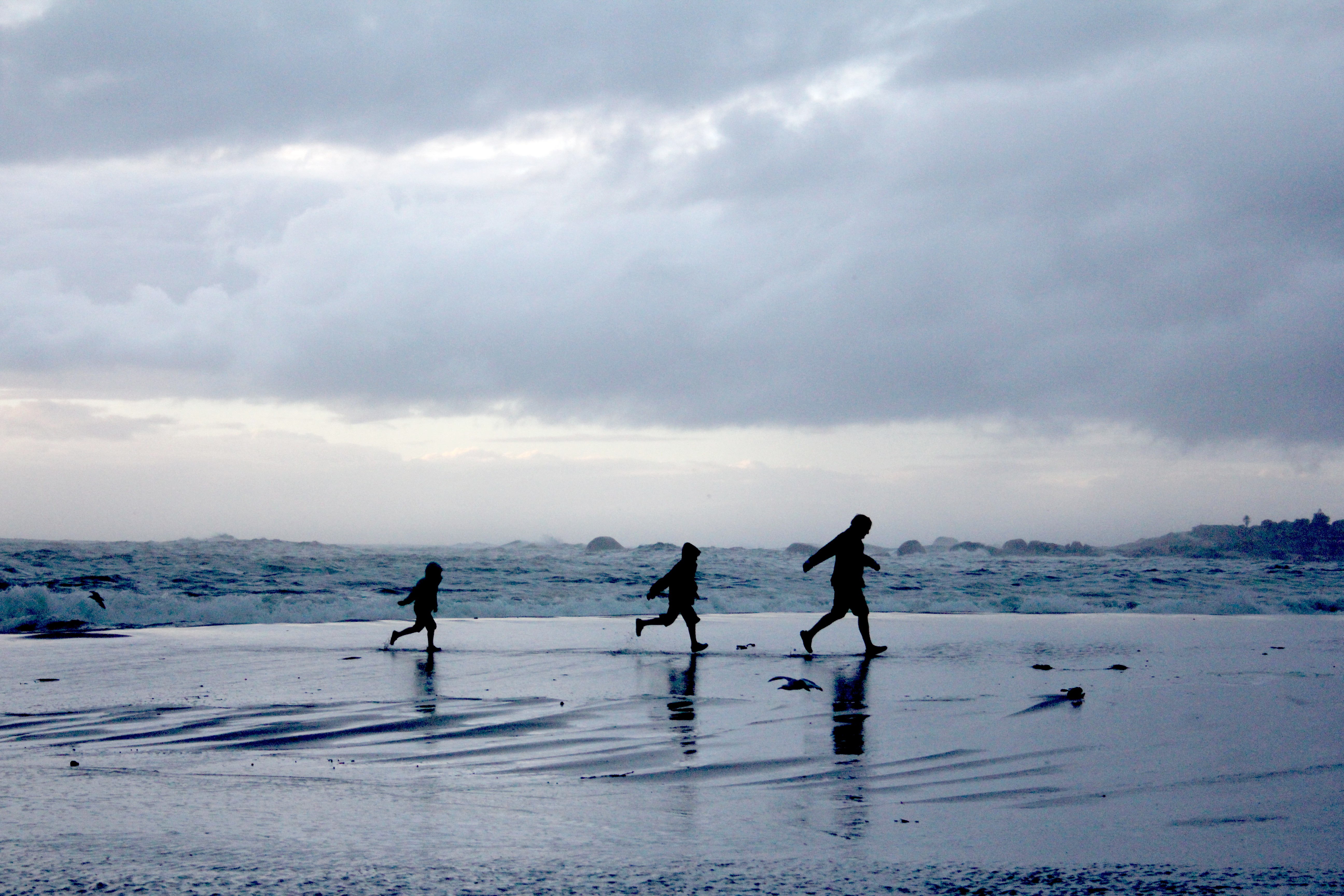
Having visited the Normandy landings in my teens, I always wanted to take a look at and learn more about Operation Dynamo, a far more remarkable feat of human endeavor – the evacuation of 340,000 allied troops including 120,000 French over a 5 days with no time to plan, the Germans pressing hard down on a retreating Army, chaos all around them with a huge number of refugees fleeing the conflict area. The Museum proved a perfect fit for all concerned – not overwhelming in the amount you can see, an excellent film to explain what happened including the heroic rearguard action carried out by the French. You got a real sense of what it must have felt like at the time lying on this vast beach with limited to no food or water, completely demoralized, the need to destroy all heavy and large equipment otherwise it would fall into enemy hands while not knowing whether you would become a prison of war or escape to fight another day. 30,000 troops were lost in the evacuation – sadly having evacuated around 120,000 French troops they were taken back to France a few days later only to be captured by the Germans as France finally fell. The beaches are as vast as the films portray with no protections from the advancing army and Lufwaffer – the remarkable courage and bravery for the Royal Navy and the vast flotilla of large and small civilian vessels comes into stark contrast as you look across the beaches out to the channel.
The staff in the museum where amazing – passionate about their subject and enthusiastic to impart their knowledge particularly to two small boys in a way that engaged their imagination and will hopefully stay with them for the rest of their lives.
We received an extremely warm welcome as we wondered around the town learning about its past. A courser or privateer (legalized pirate) Jean Barr captured the boy’s attention with his huge statue in the main square.
All in all Dunkique proved a good place for our first stop and we enjoyed breakfast of baguettes, strawberry jam, orange juice, hot chocolate for Liza and the boys and coffee for me.
 The Rookyard Farm Gang